
Introduction – Ancient Temple Lakes of India
Across India, temple lakes were once the heart of community life—serving as spiritual centers, architectural marvels, and ecological sanctuaries. Even today, these peaceful water bodies offer a serene escape into India’s heritage, each holding centuries of legends, rituals, and local traditions.
For culturally curious travelers, the ancient temple lakes of India provide an immersive journey through history, architecture, and spirituality.
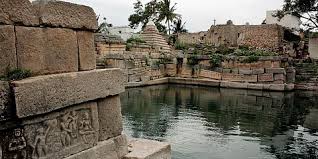
Table of Contents – ancient temple lakes of India
- Pushkar Lake – Rajasthan
- Agasthya Tirtha – Badami
- Ananthapura Lake Temple – Kerala
- Bindusagar Lake – Odisha
- Pushkarini of Hampi – Karnataka
- Kapildhara Lake – Bihar
- Khajuraho Temple Tank – Madhya Pradesh
- Gadisar Lake – Jaisalmer
- Kalyani of Melukote – Karnataka
- Brahma Sarovar – Haryana
- Sivasagar Tank – Assam
- Thiruvallam Parasurama Lake – Kerala
- Comparison Table
- Resources
- FAQ
- Conclusion
1. Pushkar Lake – Rajasthan
One of India’s most sacred lakes, surrounded by ghats and ancient temples. Pilgrims believe the lake was created by Lord Brahma himself, making it a culturally rich destination.
Internal link: Explore Rajasthan travel inspiration at Safe Travel Destinations.
2. Agasthya Tirtha – Badami
Located beneath Badami’s sandstone cliffs, this ancient lake adds mystical charm to the cave temples surrounding it. Sunsets over the water are unforgettable.
3. Ananthapura Lake Temple – Kerala
A unique temple situated in the middle of a lake, this tranquil spot is believed to be the original seat of Ananthapadmanabha Swamy.
4. Bindusagar Lake – Odisha
Situated beside the Lingaraja Temple in Bhubaneswar, this lake plays a central role in local rituals and festivals.
Internal link: Discover cultural experiences under Activities.
5. Pushkarini of Hampi – Karnataka
These sacred tanks, built near royal complexes, are architectural wonders reflecting the grandeur of the Vijayanagara Empire.
6. Kapildhara Lake – Bihar
Located near the Kapileshwar Temple, this peaceful lake is deeply rooted in ancient mythology and rural traditions.
7. Khajuraho Temple Tank – Madhya Pradesh
The lake beside Khajuraho’s famous temples provides a serene backdrop to one of India’s most iconic UNESCO heritage sites.
External link: Learn more at UNESCO World Heritage: https://whc.unesco.org
8. Gadisar Lake – Jaisalmer
Built in the 12th century as a water conservation system, this lake is surrounded by temples, shrines, and sandstone cenotaphs.
9. Kalyani of Melukote – Karnataka
Known for its stepwell architecture, this lake is central to centuries-old festivals and cultural heritage.
10. Brahma Sarovar – Haryana
One of the largest man-made sacred lakes in Asia, it is especially enchanting during sunrise and evening rituals.
11. Sivasagar Tank – Assam
Constructed during the Ahom dynasty, this tank is surrounded by temples and historic monuments.
Internal link: Explore Assam experiences at the Assam Destination Page.
12. Thiruvallam Parasurama Lake – Kerala
A peaceful heritage lake located near ancient shrines, ideal for culture seekers and spiritual travelers.
Internal link: Explore more curated journeys at the Trips Section.
Comparison Table Ancient Temple Lakes of India
| Temple Lake | State | Best Season | Notable Feature |
|---|---|---|---|
| Pushkar Lake | Rajasthan | Oct–Feb | Brahma connection |
| Agasthya Tirtha | Karnataka | Nov–Feb | Cliffside temples |
| Ananthapura Lake | Kerala | Nov–March | Temple on water |
| Bindusagar | Odisha | Oct–Feb | Lingaraja rituals |
| Pushkarini, Hampi | Karnataka | Oct–Feb | Stepwell design |
| Kapildhara Lake | Bihar | Nov–March | Mythological roots |
| Khajuraho Tank | MP | Oct–March | UNESCO site |
| Gadisar Lake | Rajasthan | Oct–Feb | Sandstone shrines |
| Kalyani, Melukote | Karnataka | Nov–March | Stepwell architecture |
| Brahma Sarovar | Haryana | Oct–Feb | Vast holy tank |
| Sivasagar Tank | Assam | Oct–Feb | Ahom heritage |
| Parasurama Lake | Kerala | Nov–March | Temple belt |
Resources
- Internal Resource: Find more heritage destinations on Safe Travel Destinations.
- External Resource: UNESCO Heritage Listing – https://whc.unesco.org
FAQ
1. Are temple lakes suitable for family travel?
Yes, most locations are peaceful, culturally rich, and family-friendly.
2. When is the best time to visit these places?
October to March is ideal for pleasant weather and clear water views.
3. Are these lakes open year-round?
Most are, though some may have restricted timings during festivals.
4. Do these locations require guides?
A guide can enhance cultural understanding, especially at heritage sites.
Conclusion
Temple lakes represent India’s deep-rooted tradition of blending nature, spirituality, and architecture. Their peaceful surroundings offer travelers an opportunity to slow down, reflect, and experience the cultural heartbeat of ancient communities.