
India and Afghanistan are experiencing a shift in their relationship. Border clashes and trade disruptions between Pakistan and Afghanistan have unexpectedly opened a window for deeper diplomatic, economic, and travel links between India and Kabul. Travelers and tourism stakeholders should pay attention: this evolving scenario could reshape travel routes, cross-border connectivity, and cultural exchanges.
When Pakistani troops were put on high alert along the Afghanistan border after intense clashes, Pakistan closed all border crossings, which disrupted freight and trade. Reuters+1 These developments contributed to Afghanistan looking toward India for alternate trade, travel, and diplomatic engagement. Notably, India has moved to upgrade its mission in Kabul to a full embassy. AP News+1
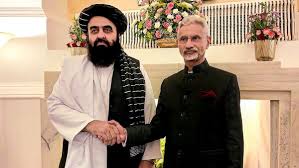
Another key development is the announcement of resuming direct flights between Amritsar (India) and Kabul (Afghanistan). The Times of India This not only helps Afghan travelers seeking health services, business, or goods, but signals a reopening of pathways that were blocked or limited. Trade in agricultural products, dry fruits, medicines, and cultural exchange are likely to benefit. The Times of India+1
What This Means for Travel Between India & Afghanistan
- New Routes & Flight Connections: As flights resume (like the Amritsar-Kabul link), tourists and business travelers from Afghanistan will find it easier and more affordable to access parts of India. This includes medical tourism, pilgrimage tourism, cultural tourism, which have historically had demand in Afghanistan.
- Tourism Infrastructure Opportunities: With improved diplomatic relations, there’s scope for Indian tour operators to design packages for Afghan tourists—covering wellness, heritage, pilgrimage, educational tours. Hotels in cities like New Delhi, Amritsar, Mumbai could see increased interest.
- Trade-Tourism Nexus: Trade in goods often leads to people movement. Exports of medicines, agricultural items, dry fruits, and similar staples are expected to increase. As this trade normalizes, cross-border checkpoints or formal corridors may see greater use by travelers.
- Safety & Travel Advisory Considerations: Given regional tensions, some travelers may have concerns about safety. Clear travel advisories, documentation, visa processing ease will be important. India’s move to upgrade its embassy in Kabul shows intent to provide more diplomatic support. AP News+1
Implications for Indian Travelers & Businesses
Indian travelers (especially from border and northern regions) may benefit from more stable access to Afghanistan, whether for business, cultural, or religious travel. Businesses dealing in exports/imports (especially traditional goods, handicrafts, dry fruit, medicinal products) may find new opportunities in this reconfigured landscape.
For businesses operating travel contacts, grunge tourism, or pilgrimages, this shift also suggests possible revival of long-dormant travel corridors. Cities like Amritsar may regain importance as hubs for Afghan travelers. Local hospitality, transport, travel agencies in India should monitor visa policy changes, flight schedules, and border policy closely.
Potential Challenges
However, some challenges remain. Travel risk perceptions may linger given border instability. Visa & entry regime must be clarified. Infrastructure near borders needs improvement (roads, checkpoints). Language, culture, accommodation capacity for Afghan tourists might need scaling.
What Travelers Should Do Now
- Stay updated via official travel advisories and trusted sources about border closures or flight resumption.
- Plan with flexible tickets and cancellation policies.
- Use reputable travel agencies for cross-border travel.
- Learn about visa requirements, documentation, required permits.
- Be aware of safety and health protocols, especially considering Afghanistan’s changing administrative context under the Taliban government.
India and Afghanistan Strengthen Travel & Cultural Ties Amid Regional Shifts
In the wake of recent border tensions between Pakistan and Afghanistan, a new chapter seems to be opening between India and Afghanistan — one focused on cooperation, connectivity, and cultural exchange. While geopolitics often influences diplomacy, this time it may also reshape tourism and trade in the region.
After months of instability along the Pakistan-Afghanistan border, both India and Afghanistan are exploring new avenues to re-establish travel links that were long disrupted. These developments not only boost bilateral relations but also present new opportunities for travelers, businesses, and cultural enthusiasts alike.
India and Afghanistan: A Renewed Connection Through Travel
The relationship between India and Afghanistan has always been rooted in shared history, trade, and heritage. From the days of the Silk Route to modern diplomatic partnerships, the two nations have influenced each other’s architecture, cuisine, and art.
Recently, Indian airlines and Afghan authorities have been in talks to resume direct flights between Amritsar, Delhi, and Kabul — a major step forward after years of limited connectivity. Once operational, these routes could significantly enhance trade, medical tourism, and cultural exchanges between India and Afghanistan.
According to a report by Times of India, the Amritsar–Kabul flight corridor could reopen by early 2026, restoring one of South Asia’s oldest air links.
Tourism Possibilities Between India and Afghanistan
Despite political challenges, travelers and adventurers continue to seek meaningful cross-cultural experiences. With increased stability and renewed diplomatic engagement, the tourism potential between India and Afghanistan is once again being recognized.
In India, Afghan tourists are drawn to Delhi’s Mughal architecture, Hyderabad’s bazaars, and the peaceful retreat of Matheran hill station — one of the destinations featured on Safe Travel India. Similarly, Indian travelers are fascinated by the breathtaking landscapes of Bamiyan, the Buddhas’ legacy, and the historical routes of Herat and Kabul.
Cultural exchanges, art exhibitions, and academic partnerships between India and Afghanistan universities have further strengthened mutual understanding — paving the way for responsible and sustainable travel between the two countries.
Trade, Connectivity, and Safe Travel Corridors
The closure of the Pakistan-Afghanistan border has led to economic disruptions, pushing India and Afghanistan to look for alternative trade routes. One major development is the use of Chabahar Port in Iran, jointly developed by India, to facilitate direct shipments of goods to Afghanistan.
This not only enhances trade independence but also opens a new safe travel corridor for logistics and business travelers. Tour operators in both countries are optimistic that smoother trade will soon translate into stronger tourism exchanges.
Travel experts at Safe Travel India suggest that India’s role in developing infrastructure and connectivity in Afghanistan could lead to the reintroduction of overland tour packages, heritage expeditions, and cultural study tours once full travel permissions resume.
Shared Heritage: The Human Connection
Beyond policy and politics, the people of India and Afghanistan share a deep bond. Afghan communities in Delhi and Pune have enriched Indian culture through their cuisine, crafts, and music, while Bollywood continues to enjoy immense popularity in Afghan households.
Festivals like Nowruz are celebrated with equal enthusiasm in both nations, symbolizing the ancient cultural bridges that unite them. This human connection underpins the potential for renewed travel and mutual exploration in the years ahead.
Looking Forward: The Road Ahead for India and Afghanistan Tourism
As the geopolitical landscape of South Asia evolves, the partnership between India and Afghanistan could become a model for regional cooperation through tourism. Efforts to promote peace and connectivity are already showing results — with both nations working on:
| Initiative | Description | Potential Benefit |
|---|---|---|
| Amritsar–Kabul Flights | Proposed resumption of commercial air routes | Boost tourism and trade |
| Cultural Exchange Programs | Joint art, film, and educational events | Strengthen people-to-people ties |
| Trade via Chabahar Port | Secure maritime route bypassing Pakistan | Increased trade independence |
| Tourism Partnerships | Cross-promotion of destinations | Sustainable tourism growth |
A Message from Safe Travel India
At Safe Travel India, we believe that travel is one of the strongest tools for peace and understanding. As India and Afghanistan rebuild bridges, travelers have a chance to explore shared histories and new horizons responsibly.
For the latest travel updates, safe routes, and destination insights, visit Safe Travel India — your trusted digital travel partner in South Asia.
For current regional advisories, check Ministry of External Affairs, India and Reuters’ Afghanistan coverage.
Conclusion
The Oman-Pakistan-Afghanistan tensions have created a diplomatic opening: India is increasingly seen by Afghanistan as partner rather than distant actor. For travel, this could mean new routes, renewed trade-tourism corridors, cultural exchange, and medical travel opportunities. At Safe Travel India, we’ll be watching these developments closely and working to help travelers benefit from new possibilities safely and smoothly.